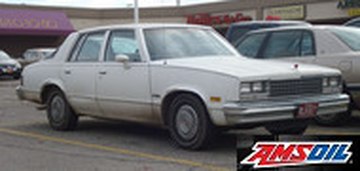
Engine Maintenance for the 1983 Chevrolet Malibu 3.8L
Maintaining an older vehicle requires consistent attention to fluid levels and system integrity to ensure long-term operation. For the 1983 Chevrolet Malibu equipped with the 3.8L engine, focusing on cooling system health and lubrication management is essential for preventing common mechanical issues associated with aging engines.
What coolant or antifreeze products are listed for my 1983 Chevrolet MALIBU 3.8L?
The following products are listed for this vehicle: ANTPC1G-EA Passenger Car & Light Truck Antifreeze & Coolant and ANT1G-EA Low Toxicity Antifreeze and Engine Coolant.
Managing the Cooling System
The cooling system is responsible for regulating engine temperature to prevent overheating. Over time, coolant can become degraded or contaminated, which may lead to reduced heat transfer capabilities or internal corrosion. It is important to inspect the coolant level regularly through the reservoir or radiator as specified by your owner's manual.
When inspecting the cooling system, look for signs of leaks around hoses, the water pump, and the radiator connections. If you notice a change in the color or consistency of the fluid, it may indicate that the coolant is no longer providing adequate protection. Following the manufacturer maintenance schedule for coolant flushes helps maintain the chemical balance required to protect internal engine components.
Engine Oil Lubrication Fundamentals
Engine oil serves as the primary defense against friction and wear within the 3.8L engine. It lubricates moving parts, cleans away microscopic debris, and assists in cooling the internal components of the motor. Because this vehicle is from a previous era of automotive design, maintaining clean lubrication is vital for preventing sludge buildup.
Regularly checking the oil level using the dipstick ensures that the engine remains sufficiently lubricated during operation. A low oil level can lead to increased friction, higher operating temperatures, and potential mechanical failure. Always refer to your owner's manual for the recommended service intervals to ensure the oil is changed at appropriate times.
Monitoring Oil Condition
The condition of the engine oil provides significant insight into the health of the engine. If the oil appears excessively dark, gritty, or contains visible contaminants, it may be time to perform a service according to your manufacturer's maintenance schedule. Significant changes in oil color can sometimes indicate that other fluids, such as coolant, are entering the lubrication system.
Maintaining a clean oil system also involves ensuring that the oil filter is replaced during every oil change. A clogged or failing filter can restrict the flow of oil to critical engine components, increasing the risk of wear. While specific filter part numbers vary, always follow the maintenance guidance provided by the manufacturer for your specific application.
Identifying Potential Leaks
Fluid leaks are a common maintenance concern in older vehicles. For the 1983 Chevrolet Malibu, you should periodically inspect the ground beneath where the vehicle is parked for any signs of fresh fluid. Darker, thicker spots typically indicate engine oil, while bright green, orange, or pink spots often point toward a coolant leak.
Small leaks can eventually become significant issues if left unaddressed. Inspecting gaskets and seals during routine maintenance can help identify slow leaks before they lead to a loss of fluid that could compromise the engine's cooling or lubrication systems. If you detect a persistent leak, consult your owner's manual for guidance on proper diagnostic steps.
General Engine Care Practices
Beyond fluids, general engine health is supported by monitoring how the vehicle operates under different loads and temperatures. Pay attention to any unusual noises, such as knocking or tapping, which can sometimes be related to oil pressure or lubrication issues. Similarly, watching the temperature gauge on the dashboard provides immediate feedback regarding the status of the cooling system.
Adhering to a consistent maintenance routine is the most effective way to manage an older vehicle. This includes following the manufacturer's suggested intervals for all fluid changes and inspections. By staying proactive with these basic tasks, you can help maintain the operational integrity of the 3.8L engine.
BUYING ENGINE OIL
When it comes to buying engine oil, always consult your owner's manual to ensure you are selecting a product that meets the requirements for your specific engine. While this guide does not provide a specific viscosity grade, choosing an oil that aligns with manufacturer recommendations is critical for proper lubrication. Look for products that clearly state their intended use and follow the service intervals outlined in your vehicle documentation.